04 November 2026
Is Your Sunshine Coast Roof Ready for Cyclone Season?
Presented by @danteppou749
Every year between November and April, the Sunshine Coast faces the unpredictable threat of severe tropical lows, intense coastal storms, and cyclones. With climate patterns driving heavier downpours and stronger wind gusts across South East Queensland in 2026, making sure https://griffinavni994.brightsora.com/posts/choosing-a-roof-profile-that-handles-heavy-rainfall your roof is structurally sound is one of the most critical steps you can take to protect your home and family. From Caloundra to Noosa and up through the Hinterland, a roof that looks fine from the ground can still harbor vulnerabilities that fail under cyclone-force pressure.

Why Sunshine Coast Roofs Face Unique Storm Risks
The Sunshine Coast climate combines high humidity, persistent salt spray near coastal strips, and sudden high-wind events. Salt air accelerates corrosion on metal fasteners, valleys, and sheet metal, often weakening the structural connections long before visible holes appear. During a cyclone, wind does not just push against your roof—it creates massive uplift pressure. If ridge caps, flashing, or fixings are loose, wind can peel roofing materials away in seconds, allowing torrential rain to flood your ceilings and living spaces.
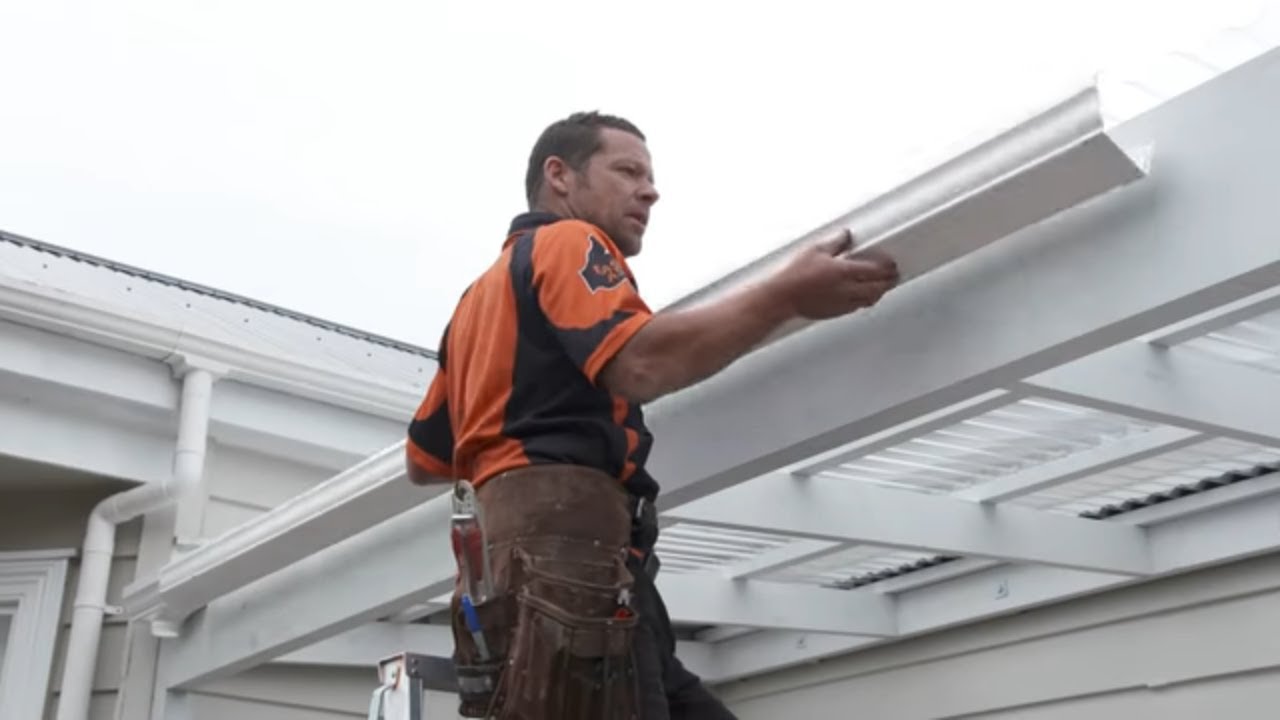
Crucial Warning Signs Your Roof Isn't Storm-Ready
Before severe weather strikes, inspect your property safely from ground level or hire an accredited specialist to perform an elevation check. The following indicators show your roof may be vulnerable to high winds and water ingress:
- Rusted or backing-out roof screws: Degraded neoprene washers and corroded screws lose their grip, significantly reducing wind uplift resistance.
- Cracked, displaced, or missing tiles: Even a single chipped tile creates an entry point for driving rain and allows wind to lift surrounding tiles.
- Deteriorated ridge capping mortar: Loose pointing along hip and ridge tiles can give way under storm-force gusts, turning tiles into hazardous projectiles.
- Blocked or sagging gutters: Debris-filled gutters cause water to back up under the eaves and into roof cavities during cloudbursts.
- Unsecured roof accessories: Wobbly satellite dishes, aging solar panel brackets, or unanchored whirlybirds create structural weaknesses.
Actionable Steps to Prepare Your Roof for 2026 Weather Events
1. Upgrade Fasteners to Modern Cyclone Standards
Properties built prior to recent building code updates often have fixings that no longer meet current cyclone-wind ratings. Replacing old lead-head nails or rusted metal screws with heavy-duty, Class 4 cyclonic screws with fresh EPDM washers provides a dramatically stronger hold. This simple upgrade is one of the most cost-effective ways to prevent sheet peel during an east coast low or cyclonic event.
2. Clear Guttering and Downpipes Completely
During a tropical system, rainfall rates on the Sunshine Coast can easily exceed 50 millimeters per hour. If your gutters, downpipes, and valley irons are choked with eucalyptus leaves or coastal pine needles, water has nowhere to go except into your roof space. Ensure downpipes flow freely all the way to storm-water outlets to prevent internal ceiling collapses.
3. Trim Surrounding Tree Branches
Overhanging branches pose a dual risk: they drop debris directly into your roof drainage systems and risk snapping in gale-force winds. Cut back branches within three to four meters of your roofline to minimize direct impact damage during severe weather.

Essential Cyclone Preparedness Checklist for Property Owners
Taking defensive measures well before a cyclone watch is declared ensures you are not scrambling at the last minute. Keep this checklist handy as you prepare your property:
- Book a professional roof audit: Have a licensed local roofing contractor verify tie-downs, batten connections, and structural integrity.
- Document pre-storm roof condition: Take clear, dated photos of your roof, gutters, and ceilings to streamline any future insurance claims.
- Stock emergency supplies: Keep heavy-duty tarpaulins, ropes, duct tape, and sandbags stored in an easily accessible location.
- Seal external penetrations: Check and renew silicone sealants around skylights, solar piping, and flue flashings.
Secure Your Peace of Mind Today
Cyclone preparation is not something to postpone until a system develops off the Queensland coast. Taking proactive steps now protects your home's structural envelope, prevents costly water damage, and ensures your family stays safe throughout the storm season in 2026 and into 2027. If you are unsure about the state of your roof framing, flashing, or fixings, schedule an inspection with a local, licensed Sunshine Coast roofing specialist today.
Sunshine Coast Roof Restoration & Repair
Unit 8/13 Newspaper Pl, Maroochydore QLD 4558
(07) 4145 4576